Reduce, ReUse & Raise Funds Recycling Project
The Recycling Project connects environmental action with practical community benefit. Through textile recycling and partnership working, housing communities can reduce the amount of waste going to landfill, raise money for their local area and decide how that local benefit should be used.
Why it Matters
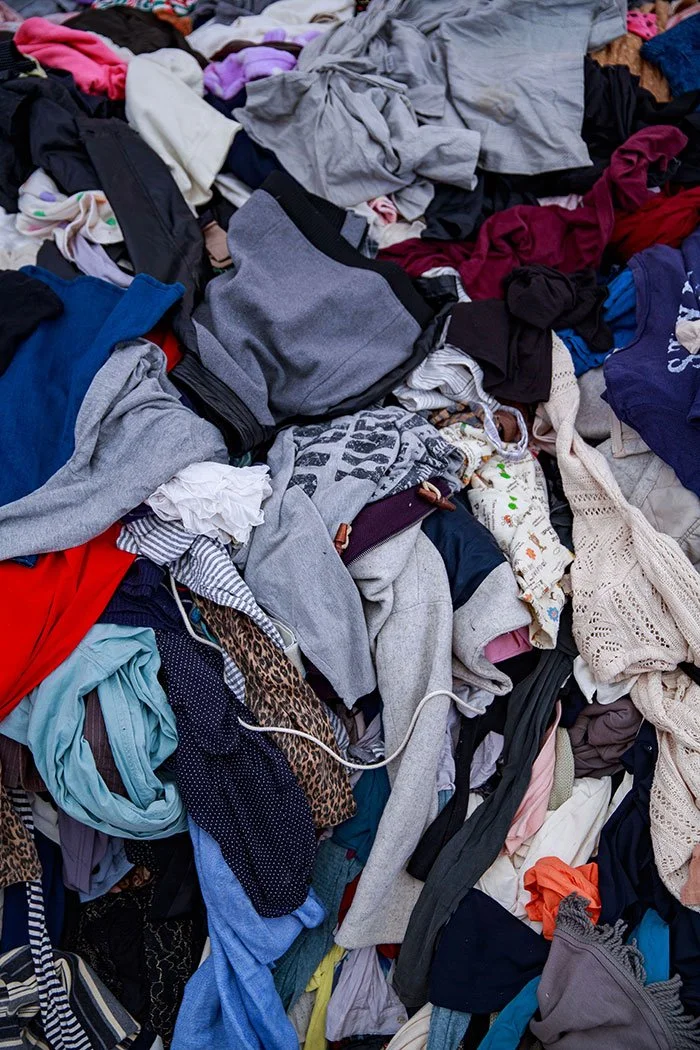
Textiles are one of the UK’s fastest growing household waste streams. By reusing and recycling clothes, fabrics and shoes, housing communities can help reduce landfill, give unwanted items a new lease of life and reduce their organisation’s carbon footprint while supporting local community projects through fundraising.

How it works
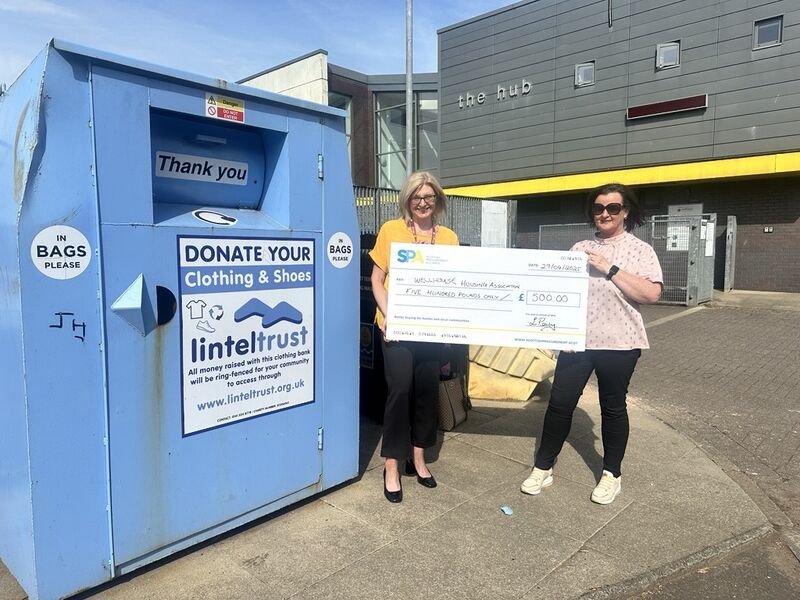
Lintel Trust partners with Clyde Recycling to provide textile recycling options for participating housing associations and co-operatives. Clyde Recycling has over 30 years’ experience in the recycling and distribution of donated clothing and works with leading UK charities.
For every tonne of textiles collected, Clyde Recycling will donate £200 to Lintel Trust, with funds ring-fenced for the local community where the textile recycling bin is located.
Once that community has raised £500, the money can be made available as a local grant and allocated using a participatory budgeting approach - the more your community recycles, the more it raises for local benefit.
Residents are encouraged to donate suitable unwanted textiles, including clothes, fabrics and shoes.
Sharing your learning, feedback and community stories help show the difference the project makes locally.
Getting a recycling bin on your premises

Register your interest using the Recycling Registration Form to start a discussion on taking part.
Lintel Trust will review and approve participating organisations, then arrange a follow-up call to discuss the most suitable option and next steps.
The location for outdoor textile collection bins, should be accessible for residents and suitable for Clyde Recycling to service safely.
Lintel Trust will provide promotional materials to help residents understand what can be donated, where to donate and how funds raised will benefit the community.
Clyde Recycling is responsible for the upkeep, maintenance and emptying of textile banks. Participating organisations will be given a direct contact number for Clyde Recycling.
Participatory Budgeting
Participatory budgeting gives residents and community members a direct say in how money raised through the Recycling Project is used. Instead of decisions being made on behalf of the community, local people are invited to suggest, discuss and vote on ideas that will make a positive difference where they live.
This approach helps make sure recycling income is transparent, locally accountable and focused on the priorities that matter most to residents. It can also encourage wider involvement by showing the clear link between donating textiles, raising funds and delivering visible community benefit.
How to run a Participatory Budgeting process
Share the amount raised with residents and explain how the fund can be used.
Invite local ideas, such as community activities, environmental improvements, wellbeing projects or support for local groups.
Shortlist eligible ideas with the participating housing organisation.
Ask residents to vote for the projects they would like to see funded.
Share the outcome and celebrate the local impact created through recycling.
You can find out more here.